
For the way you cook
Choose appliances around what and how much you cook
A useful kitchen starts with meals, not machines. Before adding another appliance, decide what you want to cook, how much you need at once and what your present equipment leaves unresolved. A larger capacity or longer mode list is only useful when it answers those questions.
Use the pathway below to turn a broad shopping idea into a practical brief. Keep the ordinary weekday meal in view; an appliance chosen only for an occasional ambition may not earn its place on the counter.
Featured comparison
- Basket Air Fryers for Everyday Meals
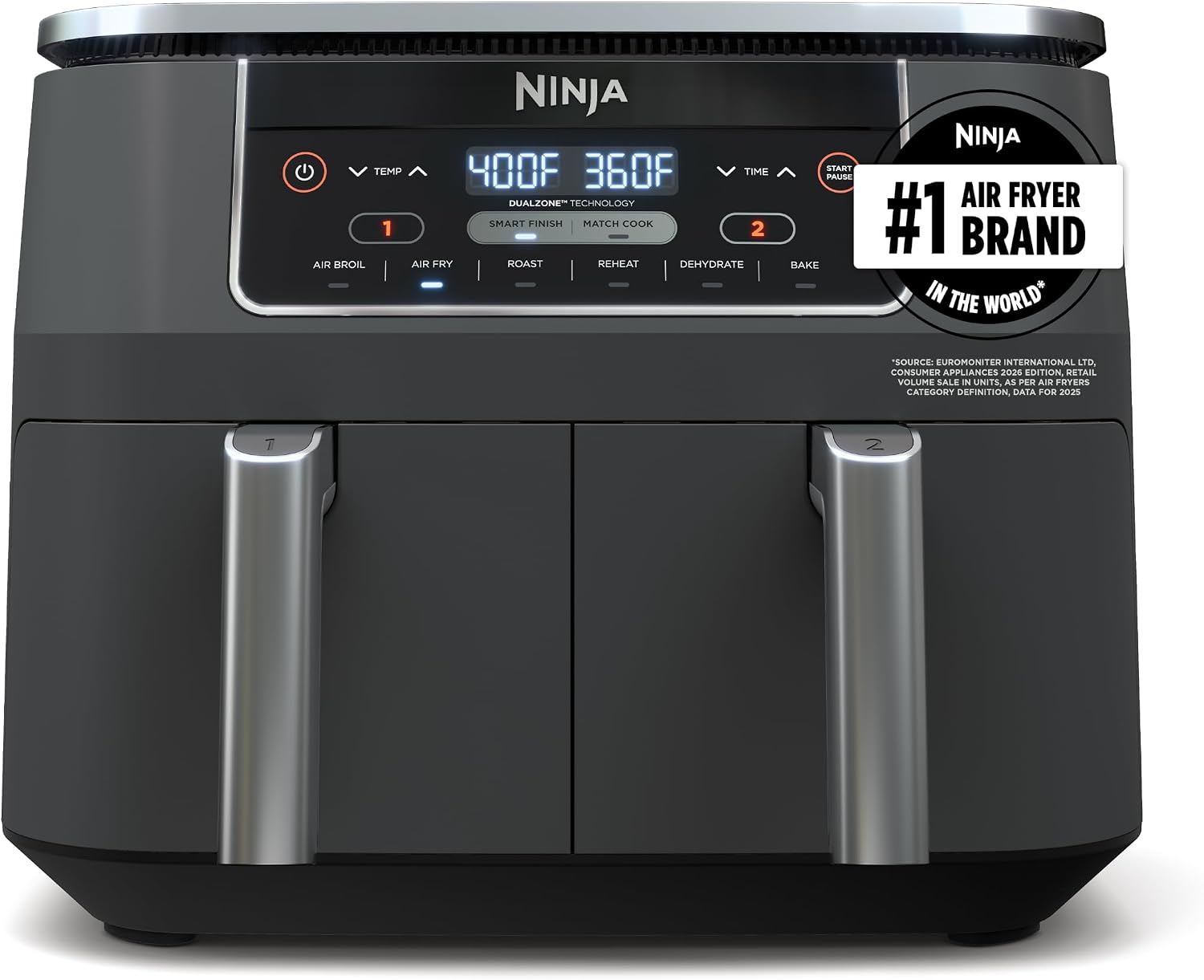
Compare three basket air-fryer listings by their stated capacity and single- versus dual-zone format.
Compare cooking appliances
Cook & Reheat
- Basket Air Fryers for Everyday Meals
Compare three basket air-fryer listings by their stated capacity and single- versus dual-zone format.
- Countertop Toaster Ovens for Baking and Reheating
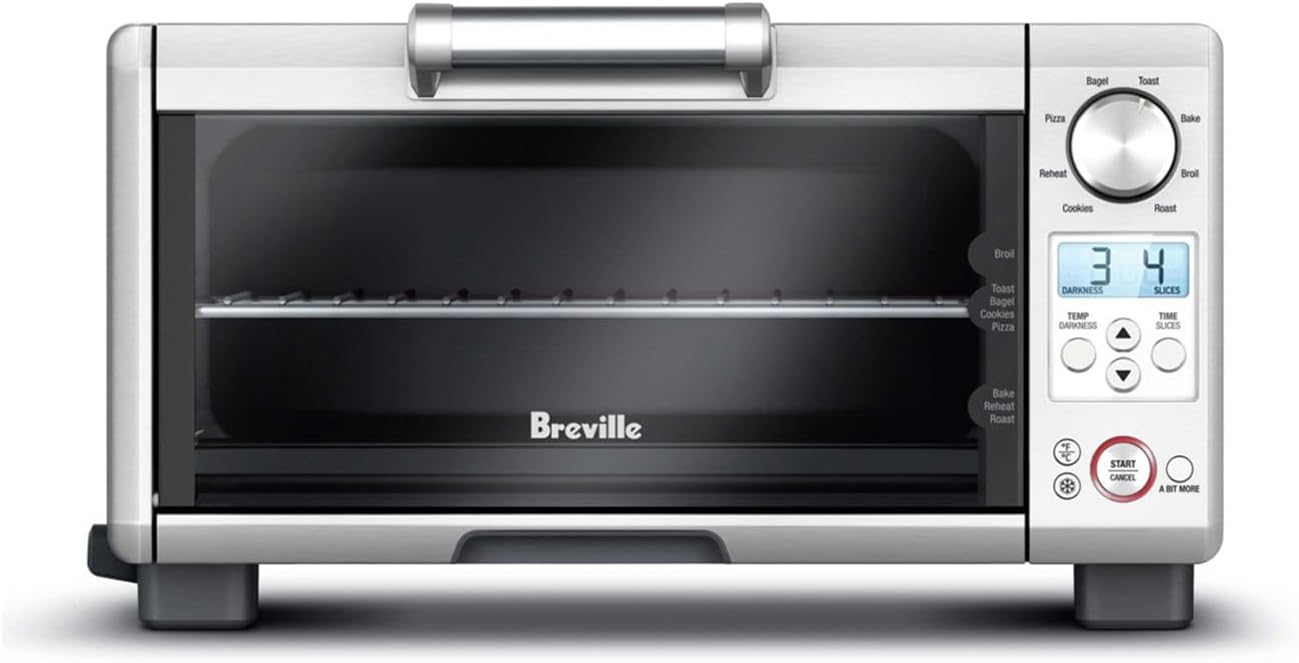
Compare five saved toaster-oven listing identities and the checks needed before choosing a countertop oven.
- Countertop Microwave Ovens: Fit and Everyday Controls
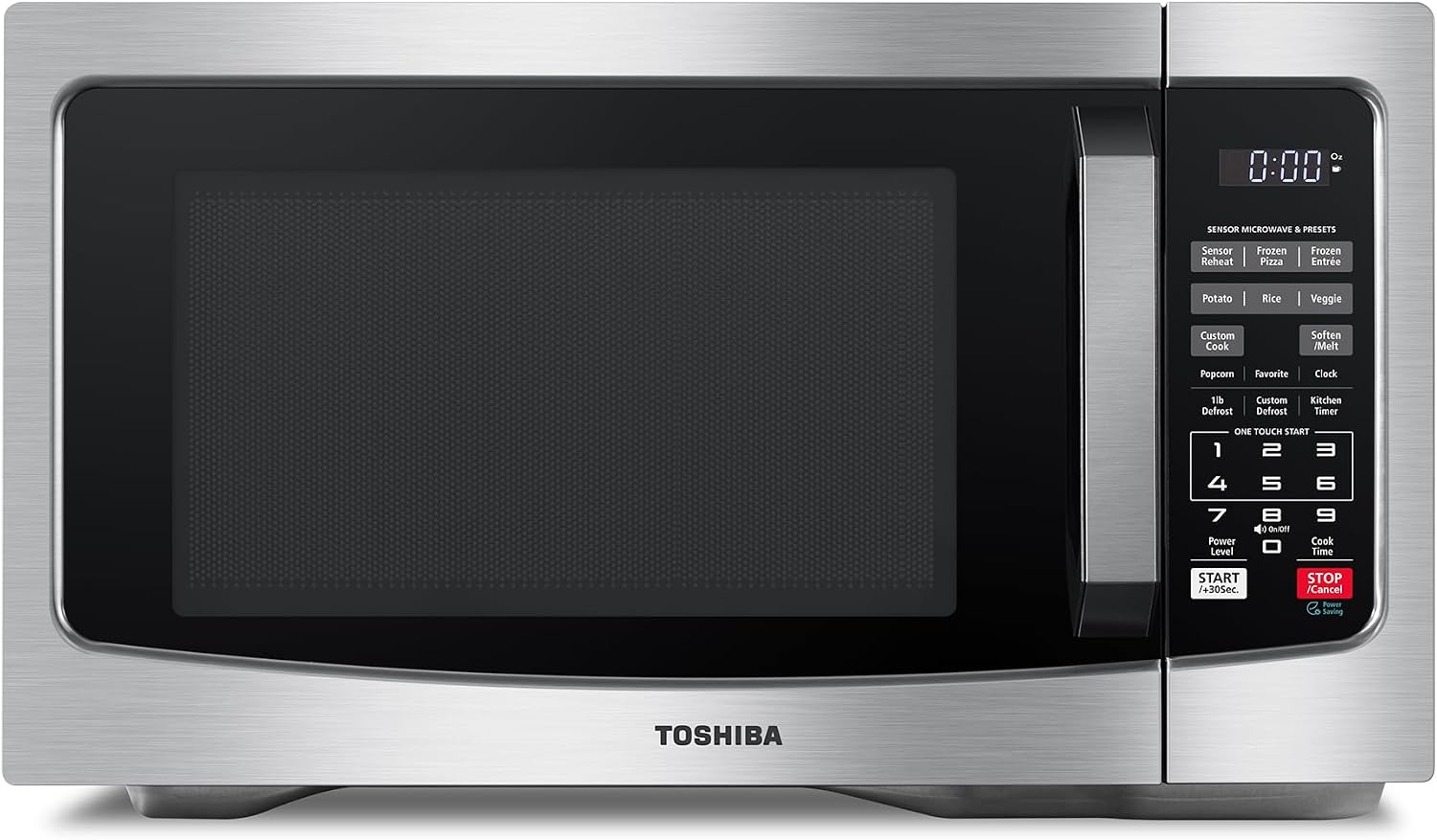
Compare saved countertop-microwave labels and exact-model fit and control questions.
- Electric Pressure Multi-Cookers: Pot Size and Controls
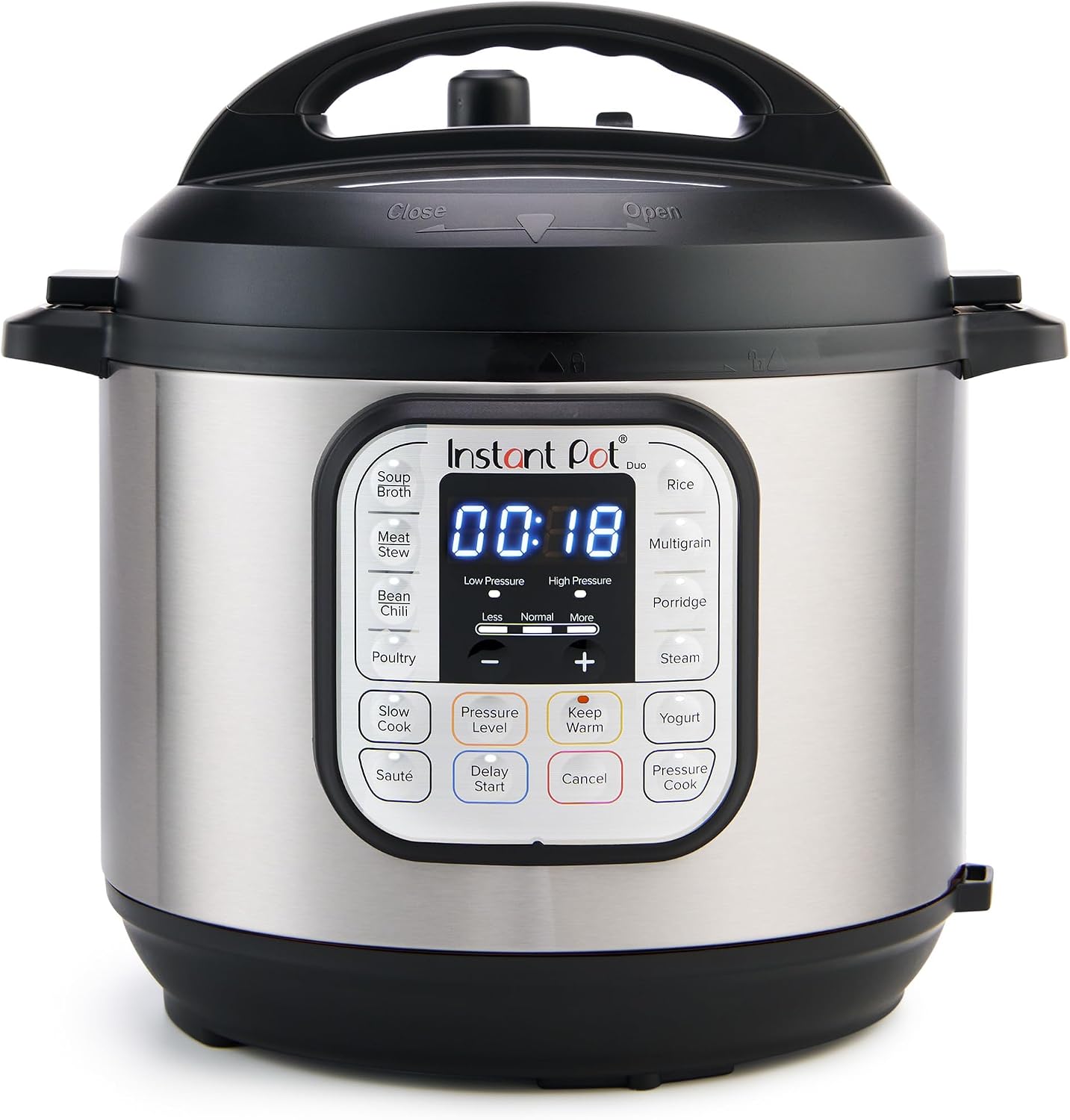
Compare saved pot-size and control labels, with exact-model questions to check before choosing.
- Rice Cookers for Small and Family Portions
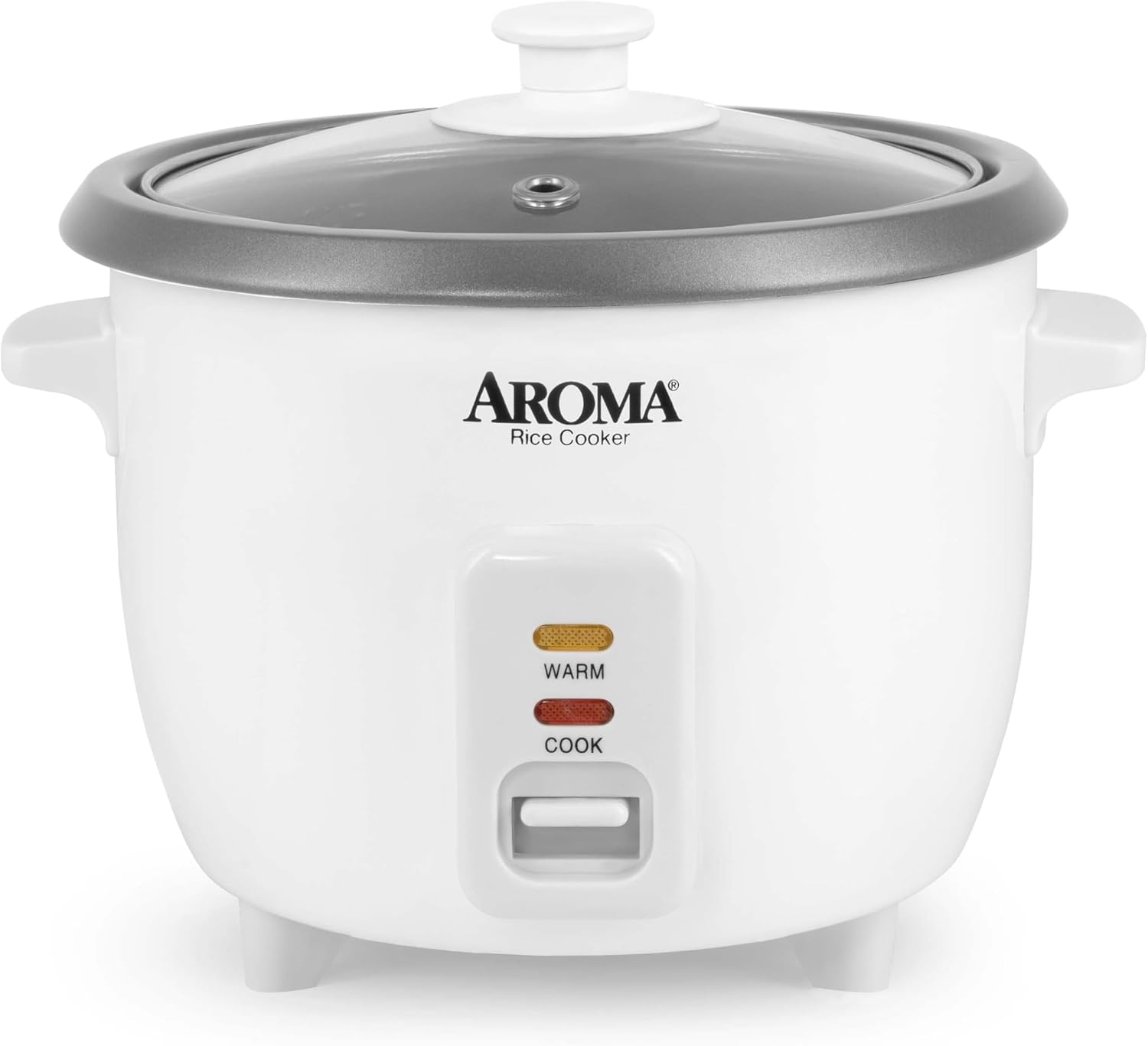
Compare rice-cooker capacity labels and the batch-size questions to check before choosing.
- Slow Cookers for Batch Meals
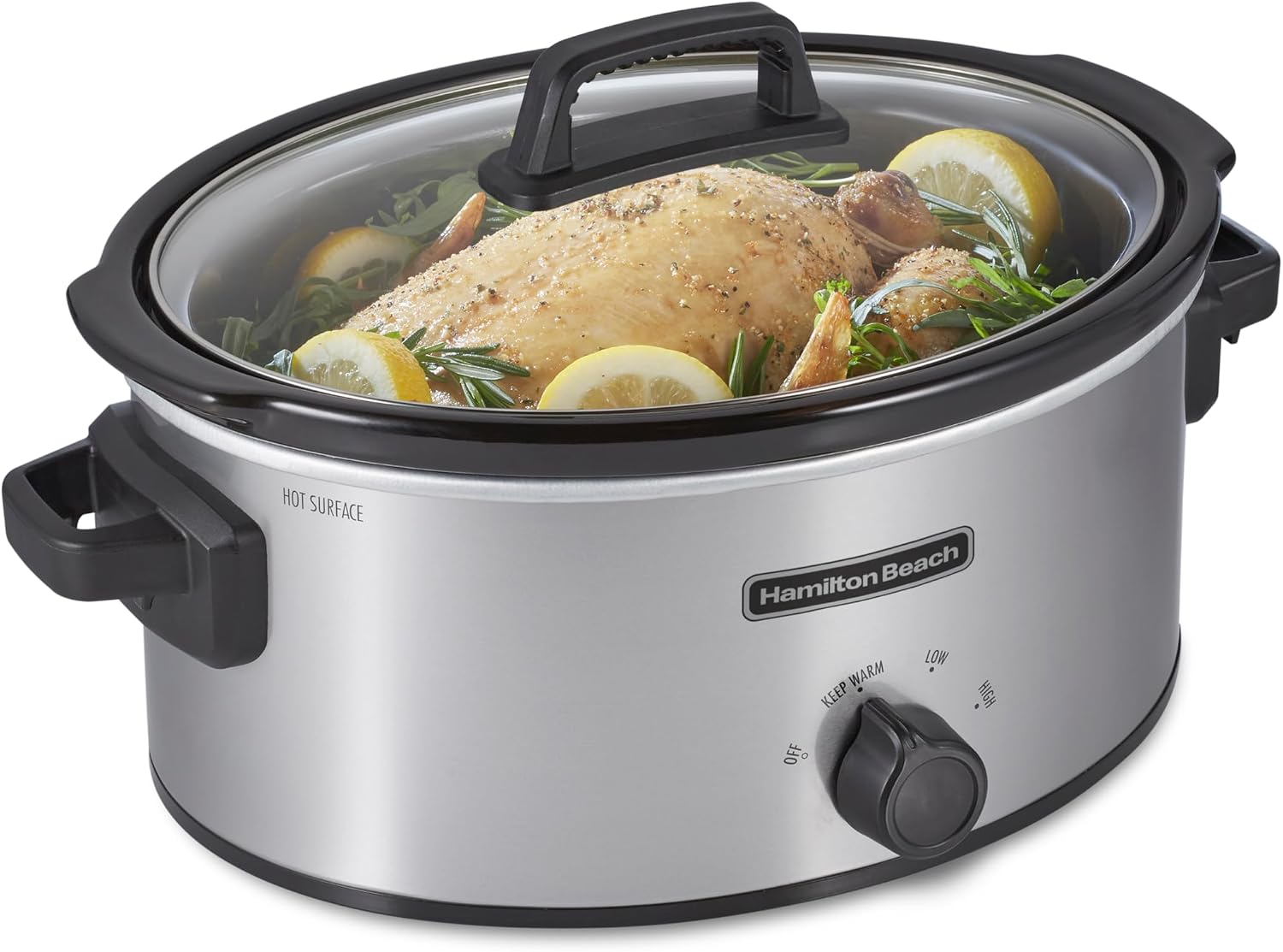
Compare saved slow-cooker size and control labels and the recipe questions to check before choosing.
- Portable Induction Cooktops for Compatible Pans
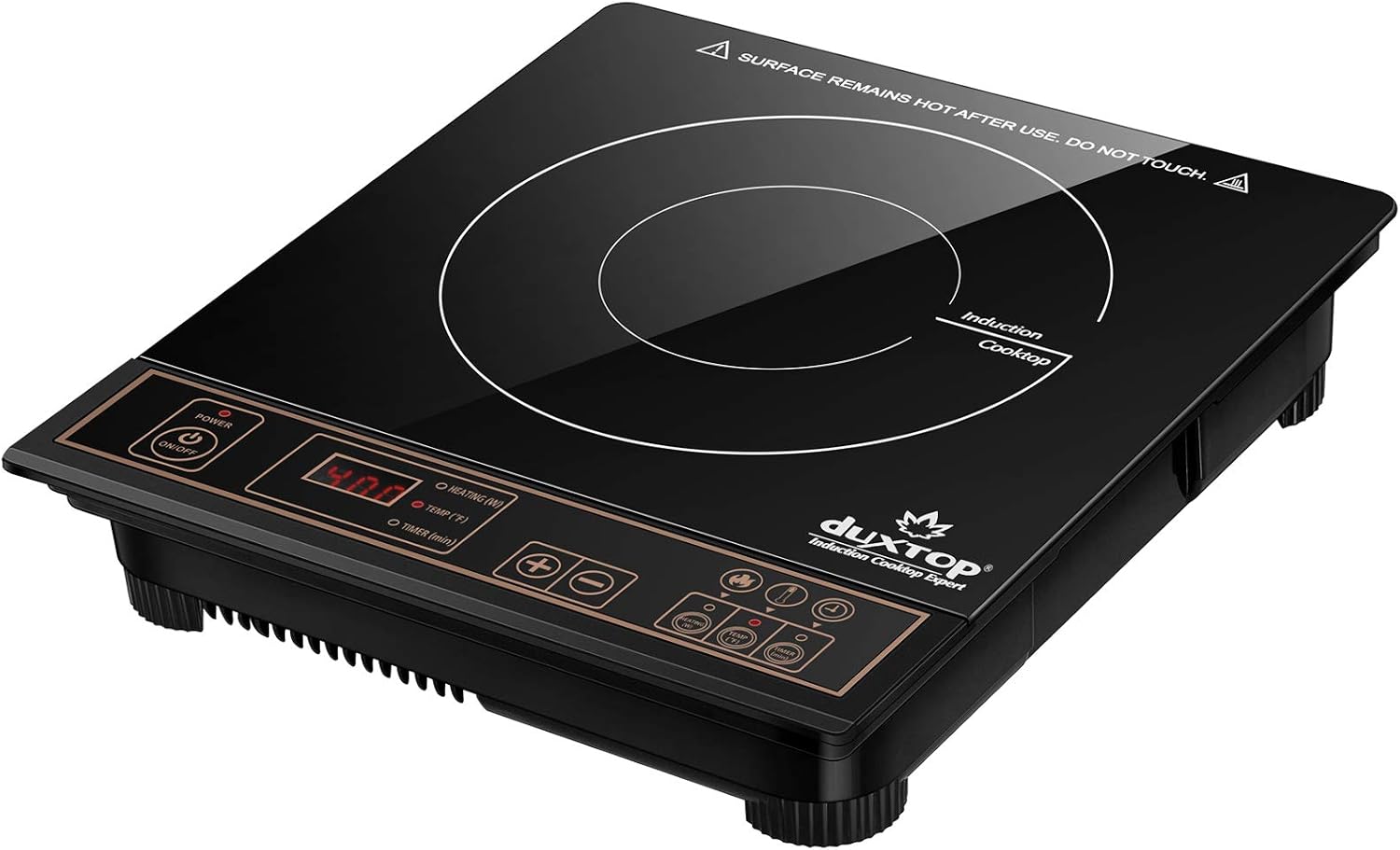
Compare saved single-zone induction cooktop labels and exact-model compatibility questions.
Prep & Blend
- Countertop Blenders for Smoothies and Sauces
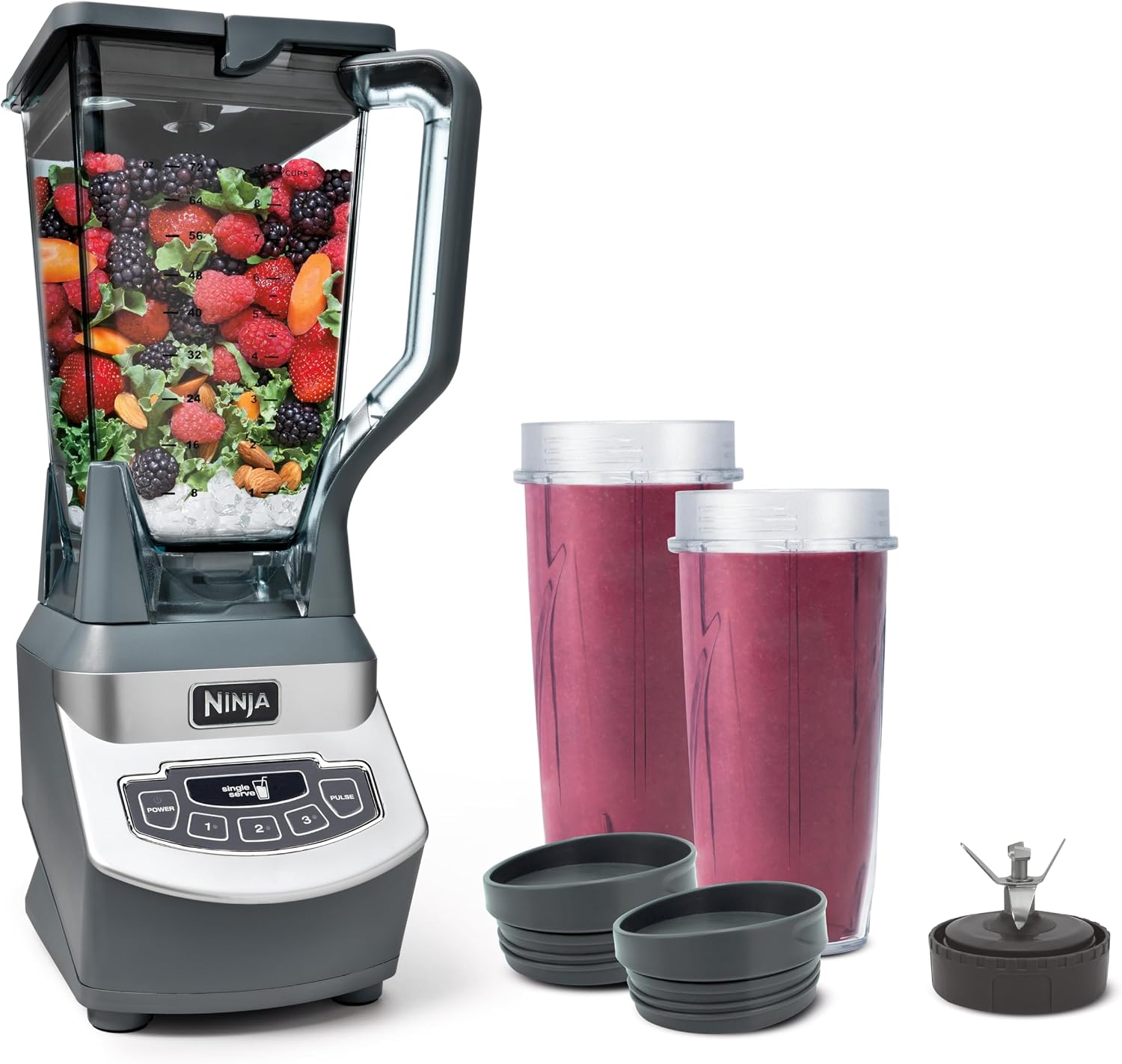
Compare saved pitcher-blender labels and the batch and control questions to check before choosing.
- Immersion Blenders for Soups and Small Batches
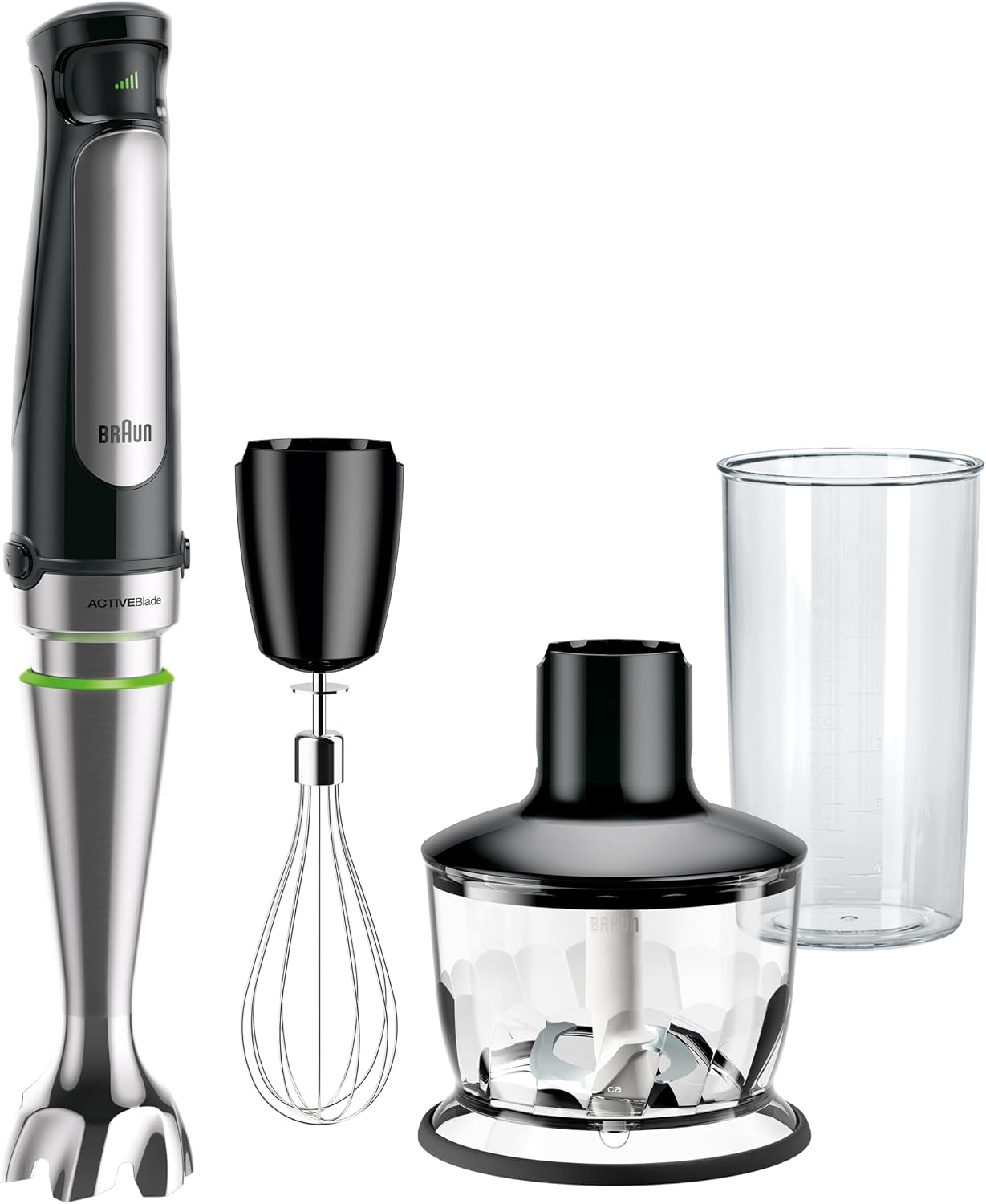
Compare saved immersion-blender package labels and exact-model vessel and cleaning questions.
- Food Processors for Slicing and Preparation
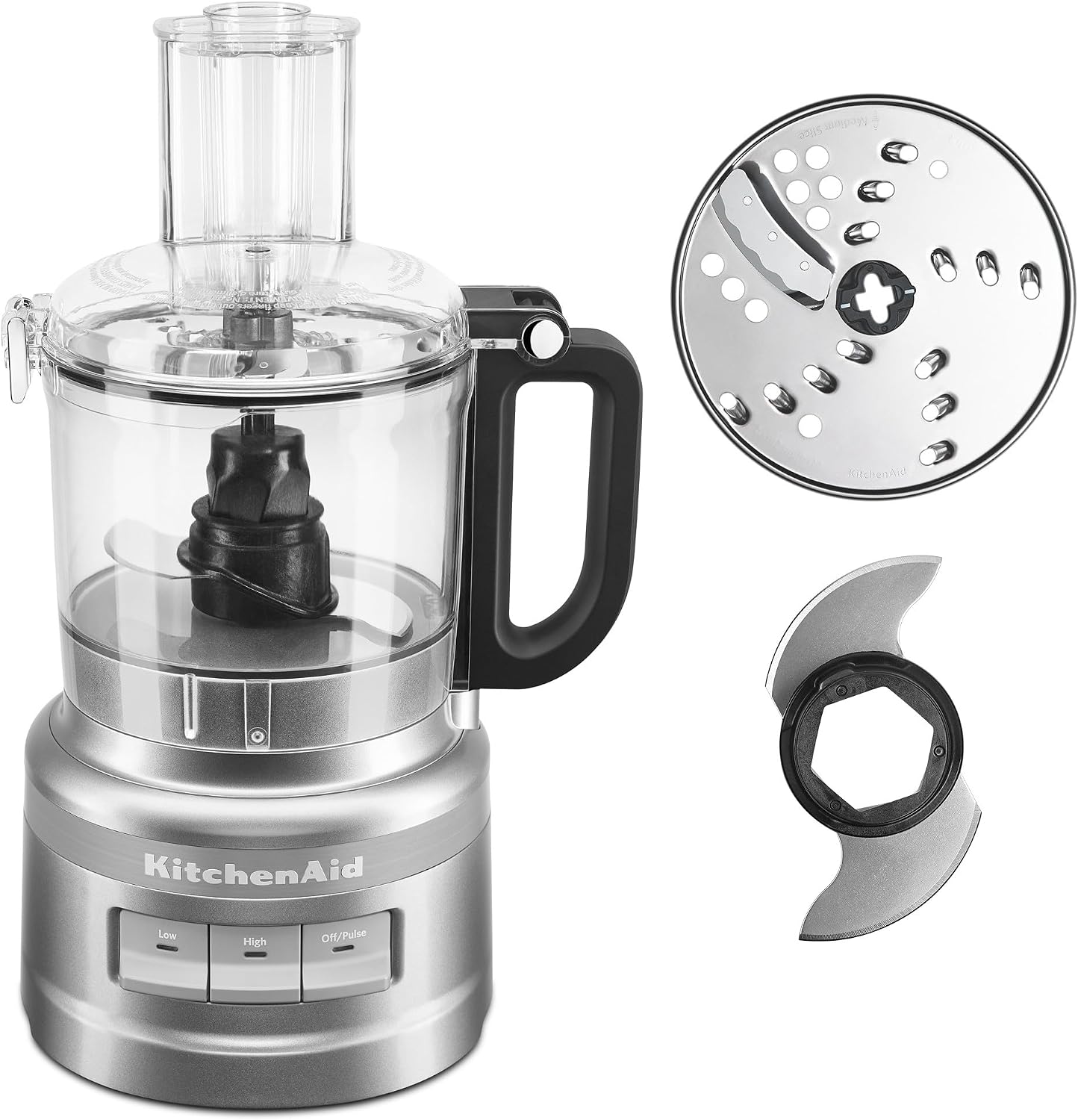
Compare saved food-processor labels and the bowl and attachment questions to check before choosing.
Baking
- Bread Machines for Everyday Loaves
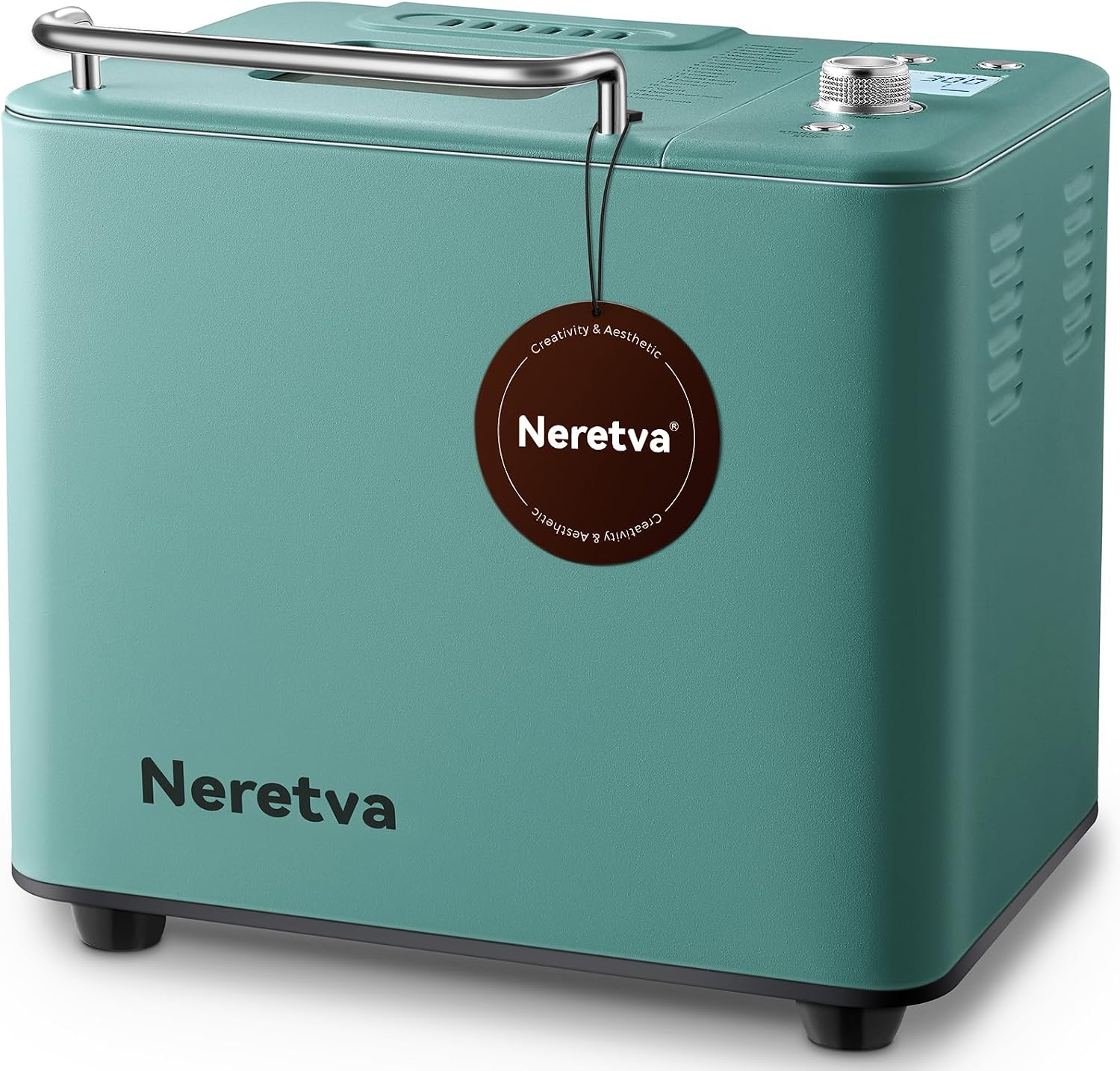
Compare saved bread-machine labels and exact-model recipe and ownership questions.
- Stand Mixers for Home Baking
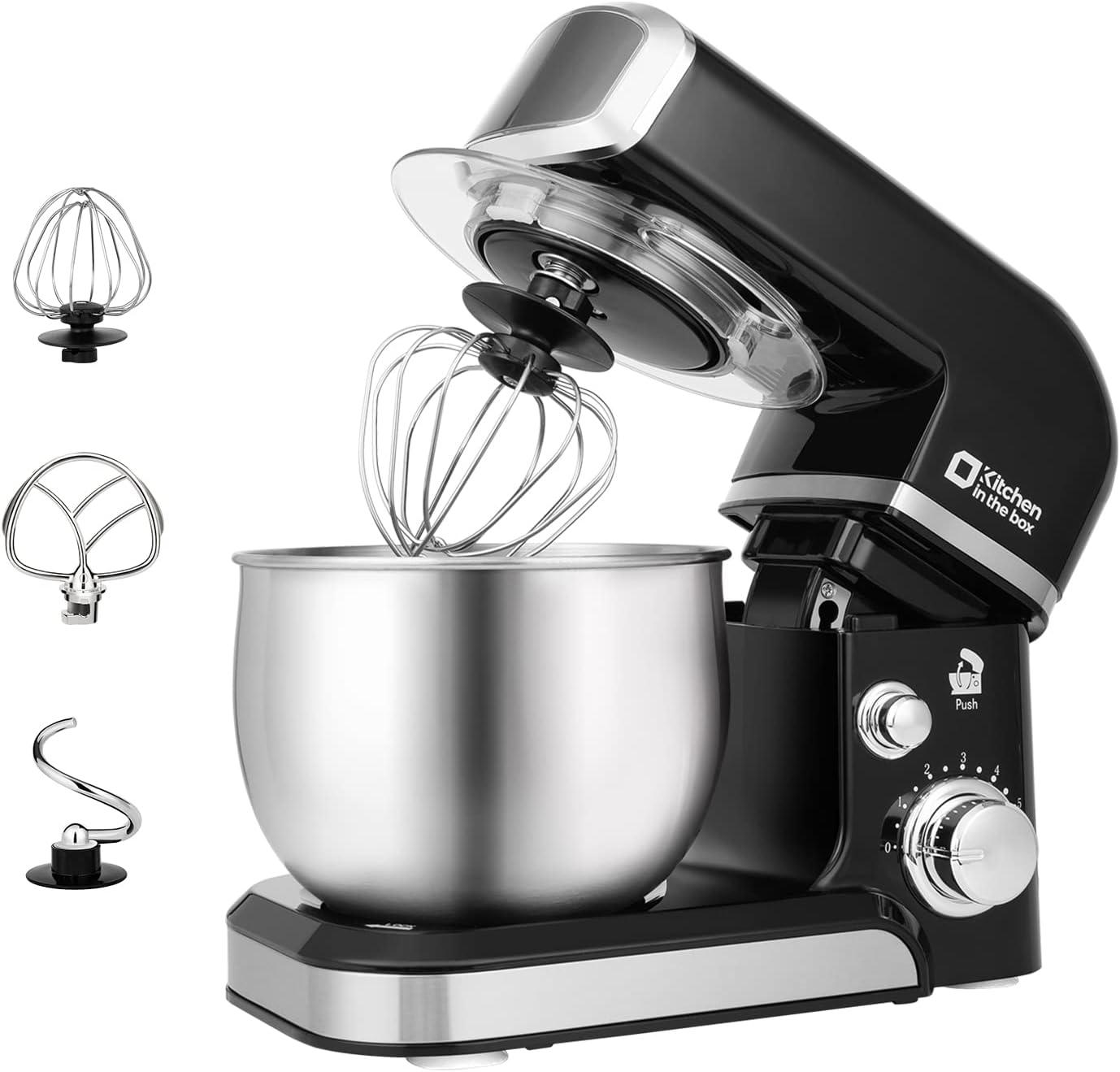
Compare saved stand-mixer labels and exact-model bowl and attachment questions.
Kitchen buying guides
- Match cooking tasks to appliances
Match recurring meals and cooking tasks to documented appliance functions before adding equipment to your counter.
- Choose capacity that works in your kitchen
Compare everyday portions, usable batches and operating space before choosing an appliance for your kitchen.
- Plan power, cleaning and long-term ownership
Plan an appliance purchase around documented power requirements, cleaning routines, replacement parts and ownership costs.
Meals and portions
Write down three meals you make regularly. Note the usual portions, which components must finish together and whether extra batches would be acceptable. Separate routine needs from occasional entertaining rather than treating the largest possible meal as the only design requirement.
Next step: describe one meal that your current setup handles awkwardly. State the inconvenience in your own words before looking for a product category to solve it.
Usable capacity
Match the capacity question to the food. A pan fitting in an oven, a cooker’s stated rice-cup quantity and the space available in a basket are different checks. Do not convert a headline volume into a promise about your own portions.
The Hong Kong Centre for Food Safety describes an air fryer as a small fan-circulated convection oven and advises against overloading it. This supports checking loading instructions, not assuming a useful batch size for a particular model. Source: Food Safety Tips for Using Air Fryers.
Next step: identify the actual container or load arrangement you need, then check the exact candidate’s documented dimensions and loading guidance.
Counter and clearance
Measure the intended operating location, not only a cupboard where the appliance might be stored. Keep the appliance footprint separate from the space its instructions require around it and the room needed to open its lid, door or drawer.
Consider where food and removable parts will go during serving. Read exact hot-surface and handling warnings before assuming a nearby surface or grip is suitable. No universal clearance or cooling period is supplied here.
Next step: sketch the appliance location and opening movement. Leave any undocumented clearance or handling requirement marked unresolved.
Cooking tasks
A category name can narrow a search, but it cannot establish performance. A basket air fryer, compact oven or dedicated cooker should be compared against your actual task and its permitted uses, not judged by the number of advertised functions.
Keeping existing equipment is a valid option. List what you would still use even after making the new purchase, especially when a meal needs several components at the same time.
Next step: write down the essential task and one function you would rarely use. Let that distinction shape the shortlist.
Controls and cleanup
Consider who will operate the appliance and how they will follow its instructions. Identify the controls needed for an ordinary meal rather than assuming that more presets mean less effort.
Then read the exact cleaning routine. Establish which parts can be removed, how they must be handled and which cleaning methods are permitted. Appearance alone does not establish dishwasher suitability or whether an electrical component can be immersed.
Next step: describe the documented after-dinner routine and decide whether you can accommodate it consistently.
Power and parts
Check the full model designation and intended electrical supply. The U.S. Fire Administration advises connecting cooking appliances directly to a wall outlet, not an extension cord, and checking cords for damage. This general guidance does not assess your circuit or clear any particular installation. Source: USFA cooking fire safety.
For replacement parts, match exact manufacturer identifiers and stated compatibility. A shared brand or similar photograph is not enough to establish a fit.
Next step: retain the model details and relevant instructions. Resolve uncertain electrical requirements with an appropriately qualified person before purchasing for that location.
Total cost
Separate the appliance price from required accessories and future unknowns. A part number does not prove a replacement is available at a particular price, and an unverified maintenance requirement is not a zero-cost line.
As an illustrative decision, imagine choosing between another appliance and continuing to use your present oven. Compare the task solved, the operating space and the documented ownership routine before comparing purchase prices. This assigns neither option an energy saving, service life or performance advantage.
Next step: finish a short brief covering the meal, usable batch, location, required functions, cleaning routine and known extras. Choose only when the documented candidate fits that brief; leave unsupported claims unresolved.